GuideEN · 28. Mai 2026 · 4 min read
Moving to Germany 2026: How to Get a Residence Permit and Legalize in North Rhine-Westphalia (NRW)
The ultimate guide to relocating to NRW in 2026. Discover the updated Blue Card rules, the Opportunity Card (Chancenkarte), the digitalization of local immigration offices in Düsseldorf and Cologne, and a step-by-step roadmap from registration to your residency card.
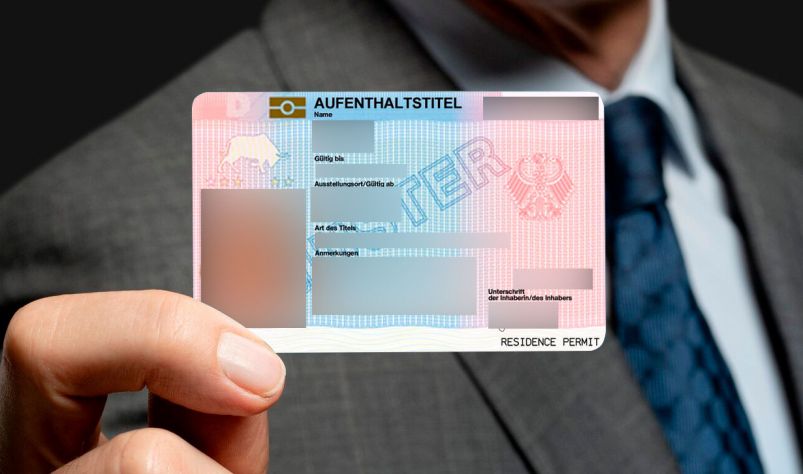
The state of North Rhine-Westphalia (NRW) is the economic powerhouse of Germany. Cities like Düsseldorf, Cologne, Bonn, and the Ruhr area attract thousands of international professionals every year. In 2026, Germany made significant progress in digitalizing its bureaucracy, and updated immigration laws have made relocating much easier for qualified specialists and freelancers.
If you are planning your move to NRW this year, here is an up-to-date breakdown of the main immigration pathways, requirements, and regional specifics.
Top 3 Ways to Relocate to NRW in 2026
Germany does not grant visas simply for having a remote income (there are no traditional Digital Nomad visas here). You need a direct link to the local economy or a recognized qualification.
EU Blue Card (Blaue Karte EU)
Best for: Highly skilled professionals with a university degree and an IT/tech/engineering profile.
Requirements: A recognized university degree + a local job contract with an annual salary starting from approx. €41,000–€45,000 (for bottleneck professions).
NRW Specifics: Huge demand for IT specialists, engineers, and energy experts due to the region's green energy transition.
Opportunity Card (Chancenkarte)
Best for: Job seekers who want to come to Germany first and look for a position on-site.
Requirements: Scoring at least 6 points (based on language skills, degree, work experience) + proof of financial self-sufficiency (approx. €1,030+ per month).
NRW Specifics: Cologne and Düsseldorf are ideal launchpads since they host some of the largest job fairs in Germany.
Freelance and Business Visa (Selbständige Tätigkeit)
Best for: Freelancers, startup founders, and self-employed professionals.
Requirements: Proof of economic interest for the region + recommendation letters from local German clients.
NRW Specifics: Immigration offices in NRW willingly approve these visas if your target clients are German businesses (especially in marketing, IT, and consulting).
Step-by-Step Roadmap: From the Embassy to the NRW Ausländerbehörde
German bureaucracy requires strict adherence to a specific order of steps. To avoid rejection, follow this exact sequence:
Degree Recognition (Anabin): 3–4 months before your move, check your university and degree in the Anabin database (it must have an H+ status). If it is not listed, you will need to apply for a statement of comparability via ZAB. You cannot get a work visa without this.
National Visa D: Apply at the German embassy/consulate in your home country or online via the new Consular Portal. Processing times for Visa D currently average between 2 to 6 weeks.
Address Registration (Anmeldung): As soon as you arrive in NRW, you have 14 days to register your address at the local Bürgeramt. Without the Anmeldung certificate, you cannot open a traditional bank account or get your tax ID (Steueridentifikationsnummer).
Getting Your Residence Permit Card: File your application at the local immigration office (Ausländerbehörde). Appointment availability varies across NRW; for instance, offices in Cologne are heavily overloaded, so you should submit your digital request during your very first month.
Key Things to Know About NRW in 2026
The Housing Crisis. Finding a long-term apartment in Düsseldorf or Cologne is a major challenge. Landlords often face dozens of applicants for a single flat. For your first 1–2 months, book a temporary, furnished apartment that provides a landlord confirmation (Wohnungsgeberbestätigung) for your Anmeldung (services like Wunderflats or Homelike are great for this).
Digitalization via Serviceportal NRW. A major highlight of 2026 is that North Rhine-Westphalia leads the country in digitalizing public services. Many immigration offices have shifted to electronic document submissions, saving expats from having to line up outside the government buildings at 5:00 AM.
The Language Barrier. While the EU Blue Card does not strictly require German (English is often enough for tech roles), having basic German skills (A1–B1) significantly boosts your chances of approval for the Freelance Visa or the Opportunity Card.
Relocating to North Rhine-Westphalia? Our platform is built specifically for expats moving to NRW. We help you find your first apartment with registration rights, translate your documents into German, and prepare your application for the Ausländerbehörde. Reach out to our support chat today!
Discussion
Comments are moderated before publishing.
💬
No comments yet — be the first to share your thoughts!
Leave a comment